我们的故事 · Since 2018
家乡味擂茶,浓浓家乡情。
游子回到家乡时,常常游离在城市的边缘,茫茫不知进退,而家乡的味道,将游子的身心捂暖,告诉他们,你们到家了。
这种味蕾上的乡愁终生难忘,而且随着时光的流逝更让人刻骨铭心,是任何山珍海味所不能比的。
因为婆婆是客家人,从小就爱吃擂茶。
每次吃擂茶都会想起小时候。。。婆婆家有访客或是姑姑们回来,婆婆都会准备擂茶给他们吃。大家一起开开心心的一边洗菜,切菜,擂擂茶(传统的擂茶是用人工在擂茶钵慢慢的磨),大家一边聊天,一下子繁琐的擂茶菜煮好了。这时,婆婆也会邀请邻居来一起享用擂茶饭。
如今,有幸学习制作擂茶,能把健康又好吃的擂茶带给大家享用。有些顾客吃过我们的擂茶会来告诉我们的擂茶饭让他们想起了婆婆,外婆和妈妈的味道。
也有些顾客用餐后会特地过来给我们的擂茶赞不绝口,这些都在在的让我们倍感温馨,暖心。。。打从心里告诉自己一定要继续努力,认真的把客家擂茶做好以回馈爱我们的顾客。
月是故乡明,菜是家乡美,妈妈永远都是每个人心中最好的厨师,家乡的味道永远都是心中最美好的记忆!
什么是客家擂茶?What is Hakka Lei Cha? · 又称 thunder tea rice(雷茶饭)
擂是研磨、捣碎的意思,茶就是茶。合起来,擂茶字面上就是「捣出来的茶」。英文里常叫它 thunder tea rice,因为「擂」的发音听起来像「雷」。它是一碗青翠的香草茶汤,配上一碗铺满各式菜料的饭。
那碗茶汤是怎么做的
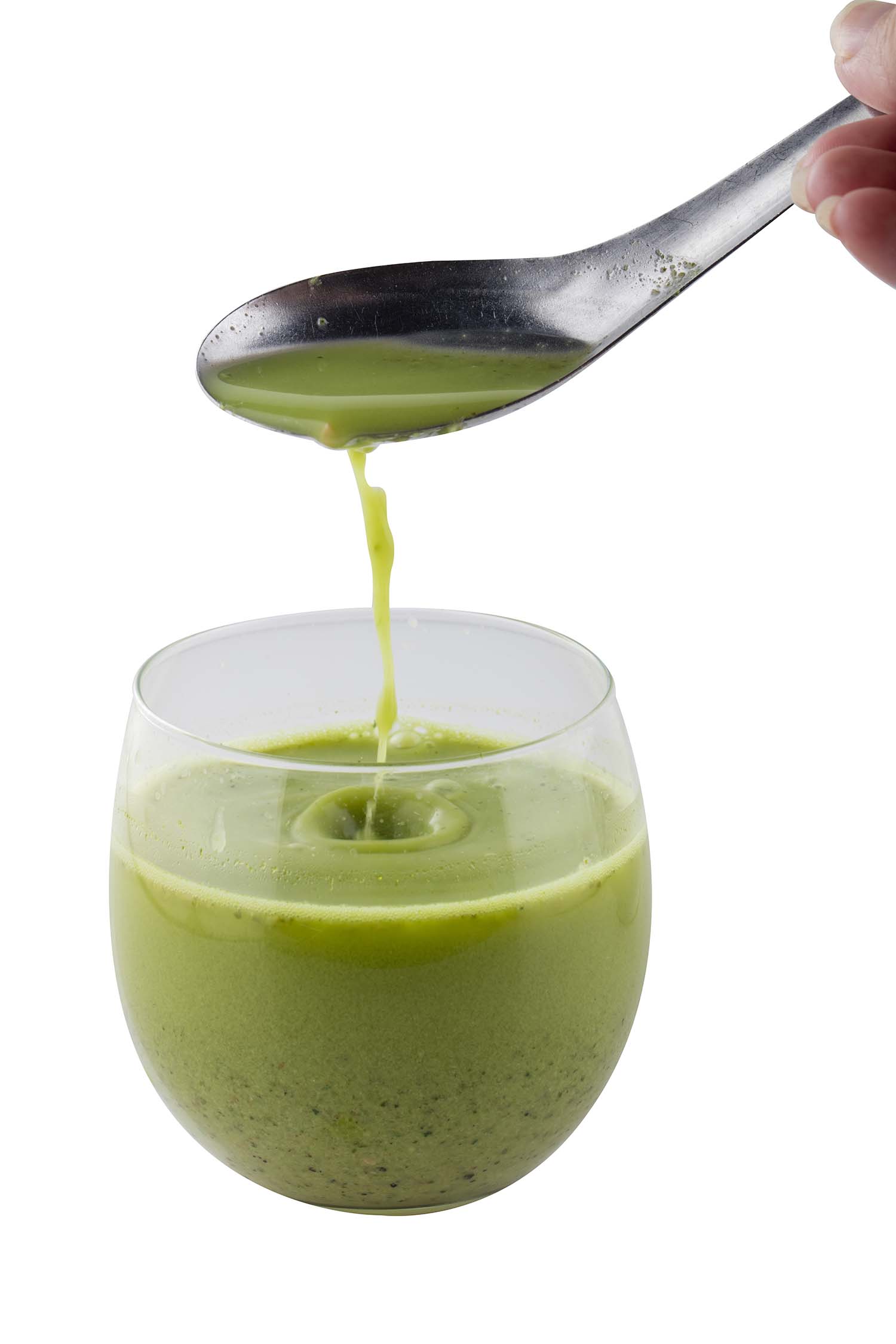
茶汤由绿茶叶、薄荷、九层塔等多种香草,加上花生和芝麻一起磨成。传统的做法,是把材料放进陶制的擂钵里,用一根木制擂棍慢慢地、一圈一圈地磨,直到变成浓稠的青绿色酱泥,再冲入热水,就成了那碗温热的茶汤,是草香的咸香味,不是甜的。这个过程很费功夫。
饭碗里有什么
饭上铺的是切得细细的时蔬,一圈一圈排开:长豆、包菜、菜脯、豆干,再撒上花生和虾米。
怎么吃
两种吃法都对。你可以把整碗茶汤淋在饭上,拌匀了一起吃;也可以先吃饭和菜,茶汤在旁边一口一口地喝。第一次吃的话,不妨先淋一半,试试自己喜欢哪一种。
客家人的传统
擂茶是客家人的看家菜。客家先民世代南迁,把这道菜带到了广东、福建和台湾,后来也带到了新加坡和马来西亚。在客家人家里,擂茶是待客的菜:有客人上门,或是亲戚从远方回来,一家人就围在一起洗菜、切菜、擂茶,边做边聊。它从来不只是一顿饭,而是一群人一起做出来的一顿饭。
我们这一碗
我们的擂茶,用的是婆婆传下来的做法:少油、少盐、不加味精。
素食与食材说明:擂茶套餐可以做成全素,点餐时告诉我们「不要虾米」就可以了。配菜方面,传统客家酿豆腐、传统客家酿苦瓜、传统客家酿茄子和家乡味肉丸都含有猪肉和鱼肉;传统客家南乳炸肉是猪肉;家香味炸鸡扒是鸡肉;客家菜饼含有鸡蛋。每逢农历初一、十五,我们特别准备全素擂茶,不加葱、蒜。
Our Story · Since 2018
The flavour of homemade Lei Cha
A taste that feels like home…
A familiar and nostalgic flavour, along with the warmth of something homemade. When you think of the best chef you've known, the person that comes to mind will always be your Mother. When you think of her cooking, the memories and taste of every dish comes rushing to mind, indeed these are the best moments you can have growing up.
Our grandmother is Hakka, she grew up eating Lei Cha since she was a child, eventually learning the art of making it herself, passing down her love for Lei Cha to the next generations. Whenever there are guests or relatives who visit from afar, our grandmother prepares a scrumptious meal of Lei Cha for everyone. From grinding the ingredients by hand to make the savoury tea, to washing and cutting vegetables, the sounds of laughter and joy can be heard as everyone takes on a different role in the kitchen. The long and tedious process of making Lei Cha long gone to the back of the mind, as the dishes began appearing on the dining table.
We are very fortunate to take and pass on the art of making Lei Cha. Each bowl is made of delicious and healthy ingredients, filled with sincerity and love from the bottom of our heart. It especially warms our heart to hear from customers that our Lei Cha reminds them of their mother and grandmothers' cooking!
Making Hakka Lei Cha is our form of giving back, giving back the warmth and love we experienced growing up. To allow customers all around the island to reminisce and re-experience the simple joys and memories as a child. We are also giving back to all our loyal customers who have been supporting us since 2018, for you we will work hard and continue making the Lei Cha you have always loved.
月是故乡明,菜是家乡美 · the taste of home will always be the most beautiful memory.
What is Hakka Lei Cha?Also known as thunder tea rice · 擂茶
In Chinese, 擂 (lei) means to pound or grind, and 茶 (cha) means tea. Put together, 擂茶 literally means "pounded tea". In English it is usually called thunder tea rice, because "lei" sounds like the word for thunder. It is a bowl of bright green herb tea, served with a bowl of rice under a ring of finely chopped vegetables.
What the tea soup is made of
The soup begins as a paste of green tea leaves, mint, basil and other herbs, ground together with peanuts and sesame seeds. Traditionally everything goes into a wide clay mortar and is worked round and round by hand with a wooden pestle until it becomes a thick green paste. Hot water is poured in, and that is the soup - warm, savoury and grassy rather than sweet.
What goes on the rice
The rice is topped with finely chopped vegetables arranged in a ring: long beans, cabbage, preserved radish and firm beancurd, finished with peanuts and dried shrimps.
How it is eaten
Both ways are correct. You can pour the whole bowl of soup over the rice and mix everything together, or eat the rice and vegetables on their own and sip the tea alongside. If it is your first time, pour in half and see which you prefer.
Its Hakka heritage
Lei cha is a Hakka dish. The Hakka people moved south across China over many generations, carrying it with them to Guangdong, Fujian and Taiwan, and later to Singapore and Malaysia. In a Hakka home it is what you make for guests: when visitors arrive or relatives come back from far away, the whole family gathers to wash, chop and pound together, talking the whole time. It has never been just a meal - it is a meal a group of people make together.
Our bowl
Ours follows our grandmother's recipe, made with less oil, less salt and no MSG.
Dietary notes: the Hakka Lei Cha Set Meal can be made vegan: just ask for no dried shrimps when you order. Among the sides, the Traditional Hakka Yong Tauhu, Yong Bitter Gourd, Yong Brinjal and the Hometaste Meat Ball all contain minced pork and fish; the Traditional Hakka Fried Pork Belly is pork; the Hometaste Chicken Cutlet is chicken; the Hakka Vege Pancake contains egg. On the 1st and 15th day of every lunar month (初一 and 十五), we prepare a pure vegetarian version, with no onion and no garlic.